A Guide to Maintaining Optimal Efficiency After Double Glazing Installation
Table Of Contents
Optimising Home Heating and Cooling
Efficient heating and cooling of your home is crucial to enhancing comfort and reducing energy costs. After installing double glazing, it’s essential to make the most of the improved insulation properties. Setting your thermostat to a moderate temperature can help maintain a consistent climate while reducing the strain on your heating and cooling systems. Regular servicing of appliances will also ensure they operate at peak efficiency.
Another key aspect is the strategic use of natural ventilation. Opening windows during the cooler parts of the day can allow fresh air to circulate without compromising the benefits of double glazing. This practice can help regulate indoor temperatures and reduce reliance on mechanical heating and cooling methods. Creating a balance between utilising these systems and embracing natural elements promotes a more energy-efficient home environment.
Best Practices for Temperature Regulation
Maintaining a consistent temperature inside your home is essential for comfort and energy efficiency. One effective method involves setting your thermostat wisely. Opt for a suitable temperature for different times of the day to accommodate varying needs. Consider lowering the thermostat at night or during the day when the house is unoccupied. This simple adjustment can lead to significant savings on energy bills while ensuring that your living space remains pleasant.
Another crucial practice revolves around proper airflow. Ensure that vents are not obstructed by furniture or other objects to allow warm or cool air to circulate freely throughout the rooms. When using heating or cooling systems, keep internal doors open to promote even temperature distribution. Regularly inspecting and cleaning air filters can also enhance system efficiency, providing better temperature control while prolonging the lifespan of your heating and cooling units.
The Role of Window Treatments
Window treatments can significantly enhance the benefits provided by double glazing, acting as an additional layer of insulation. By reducing heat loss in winter and minimising heat gain in summer, they help maintain a stable indoor temperature. Options such as curtains, blinds, and shades not only contribute to energy efficiency but also add a decorative touch to any room.
Light control is another crucial function of window treatments. Properly chosen coverings can block out unwanted sunlight, protecting furniture and flooring from fading while ensuring privacy. This balance between aesthetics and functionality plays a vital role in creating a comfortable living environment, making it important to select the right styles and materials that align with individual needs.
Choosing the Right Curtains and Blinds
Selecting appropriate window treatments enhances both aesthetics and functionality in a home following double glazing installation. Heavy curtains and thick blinds can provide additional insulation, creating a barrier against outside temperatures. When considering fabric types, opt for materials that resist fading while offering thermal benefits. Light-coloured options can also reflect sunlight, aiding in temperature regulation.
Consider measurements carefully to ensure a snug fit around window frames. Bay windows or larger glass surfaces may require custom window treatments for maximum effectiveness. Layered treatments, such as combining sheer curtains with a heavier blind, add versatility in controlling light and privacy. Keep in mind the colour palette and overall décor to create a harmonious atmosphere while boosting energy efficiency.
Addressing Common Issues
After the installation of double glazing, homeowners may encounter a few common challenges. One frequent issue is the presence of drafts due to improperly sealed windows. Even high-quality double glazing can experience leaks if not fitted correctly. It's essential to inspect the seals around your windows regularly and ensure they remain intact. Damaged or worn seals should be addressed promptly to maintain energy efficiency.
Another common concern is condensation forming between the glass panes. This can occur if the seals fail, allowing moisture to enter the space. Homeowners should monitor any signs of dampness or water build-up. If this issue arises, contacting a professional to assess the situation and suggest potential solutions is advisable. Maintaining attention to these details will help ensure your double-glazed windows continue to perform optimally.
Identifying and Fixing Drafts
Detecting drafts in a home can often be a straightforward process. Common areas to inspect include window edges, doorframes, and any gaps in walls, especially around utilities or installations. A simple test involves running your hand along these borders to feel for any unexpected currents of air. Alternatively, using a lit candle or incense stick near potential leak sites can help visualise air movement. If the flame flickers or the smoke drifts to one side, there might be a draft present.
Once identified, addressing these drafts should become a priority to enhance energy efficiency. Weather stripping is a popular solution for doors and windows, effectively sealing any gaps that allow cold air in. Caulk can be applied around window frames and other stationary elements to close off persistent air leaks. For larger issues, consider using draft stoppers or thermal window treatments to further improve thermal integrity. Taking these steps will enhance comfort while reducing reliance on heating and cooling systems.
FAQS
What is double glazing and how does it improve home efficiency?
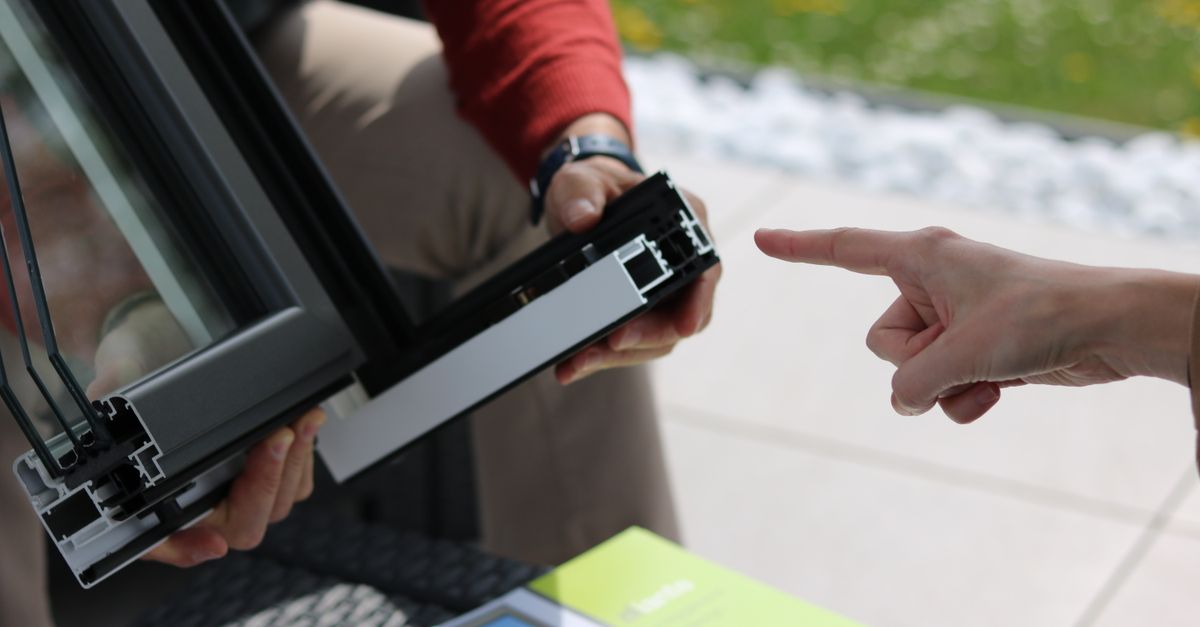
Double glazing involves the use of two panes of glass with a space in between, which provides better insulation and reduces heat loss, ultimately improving energy efficiency for heating and cooling.
How can I optimise my home heating and cooling after double glazing installation?
To optimise heating and cooling, ensure proper temperature regulation by using programmable thermostats, sealing any potential drafts, and utilising smart ventilation techniques to maintain a comfortable indoor climate.
What type of window treatments are best for double glazed windows?
The best window treatments for double glazed windows are those that enhance insulation, such as thermal curtains or cellular shades, which can help retain heat in winter and block excess heat in summer.
How can I identify and fix drafts around my double glazed windows?
To identify drafts, check for cold spots around the window frames and use a candle or incense stick to see if the smoke wavers. Fix drafts by applying weatherstripping or caulking around the window edges.
Will double glazing eliminate the need for heating and cooling systems?
While double glazing significantly improves insulation and energy efficiency, it does not eliminate the need for heating and cooling systems; these systems will still be necessary to maintain desired indoor temperatures, but they may operate more efficiently.
Related Links
How Weather Conditions Affect Double Glazing Post-Installation AdjustmentsKey Adjustments to Ensure Optimal Performance of Double Glazed Windows
Understanding the Long-Term Benefits of Routine Adjustments Post-Installation
Steps to Follow for Effective Double Glazing Adjustment Procedures
Evaluating the Sealing Integrity of Newly Installed Double Glazing
How to Identify Issues After Double Glazing Installation
Troubleshooting Common Problems with Newly Installed Double Glazed Units
Importance of Post-Installation Inspections for Double Glazing