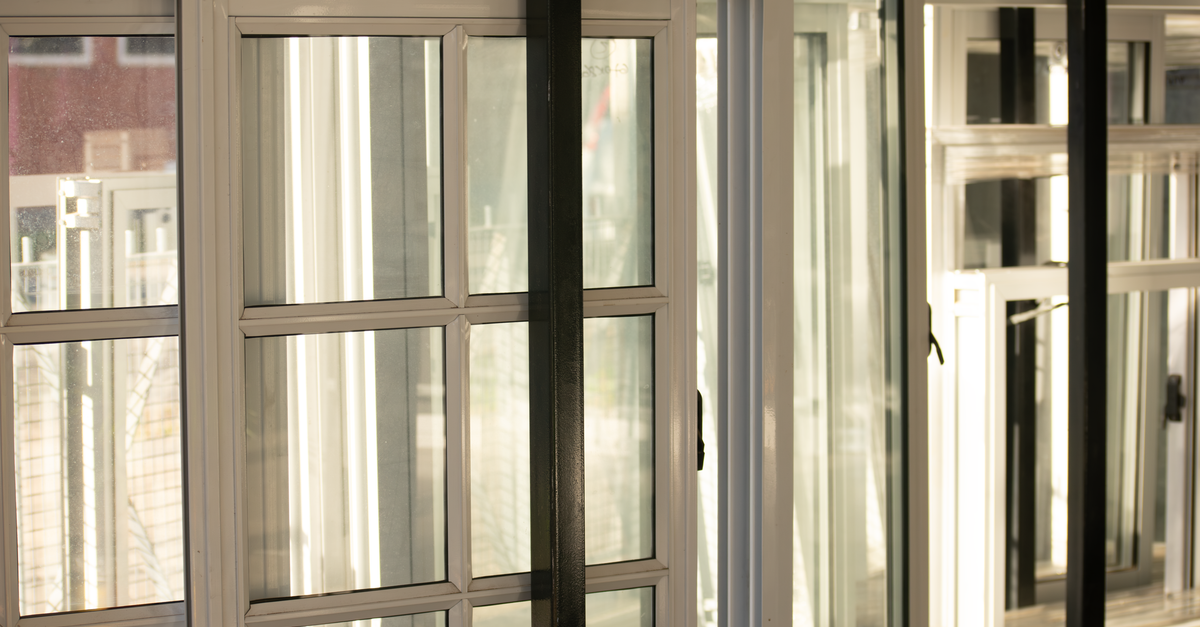
Double Glazing: A Smart Investment for Future Homeowners
Table Of Contents
Different Types of Double Glazing
When considering double glazing, homeowners encounter various options tailored to meet different needs and preferences. The most common types include sealed unit glazing, where two panes of glass are hermetically sealed to create an insulated chamber, and laminated glass, which offers enhanced security and noise reduction by bonding a layer of plastic between the panes. For those seeking added functionality, low-emissivity (Low-E) glass features a special coating designed to reflect heat, helping maintain indoor temperatures regardless of the season.
Another popular choice involves argon-filled units, where inert gas fills the space between the glass panes to further improve thermal performance. Homeowners might also explore triple glazing, consisting of three panes to provide additional insulation, though typically at a higher cost. Each type of double glazing offers unique advantages, making it essential to assess personal needs and environmental factors before making a decision.
Selecting the Right Glass for Your Home
Choosing the right type of glass for double glazing involves considering various factors that impact energy efficiency and aesthetics. Many homeowners opt for low-emissivity (low-E) glass, which features a special coating that reduces heat transfer while allowing natural light to enter. This type of glass helps maintain a comfortable indoor temperature throughout the year, ultimately contributing to energy savings. Another option is laminated glass, which enhances security and reduces noise pollution, making it an excellent choice for homes in busy urban areas.
Consider your specific needs when selecting glass. If privacy is a concern, frosted or obscure glass can be effective while still maintaining brightness in the home. Additionally, tinted glass can provide glare reduction and enhance thermal performance, particularly in regions with a lot of sunlight. Evaluating local climate conditions and personal preferences will help ensure that the chosen glass complements the overall design and functionality of your home.
Installation Process
The installation of double glazing typically begins with a thorough assessment of your existing windows. Professionals will measure the current frames and recommend suitable double-glazed units that fit your home’s aesthetic and energy requirements. They may also discuss options for energy efficiency and sound insulation based on specific needs. Once the right type of glazing is selected, they will remove the old windows carefully to avoid damage to surrounding structures.
Following the removal, the new double-glazed units are placed into the frames, ensuring a snug fit to enhance thermal performance. The team will seal the edges with high-quality materials to prevent drafts and moisture ingress. Completion of the installation process often includes inspection of the window operation, ensuring all components function correctly. Homeowners may also be advised on initial care and treatment to maximise the longevity and efficiency of their new windows.
What to Expect During Installation
The installation process of double glazing generally begins with a comprehensive assessment of your home. A qualified installer will evaluate existing windows and frames, ensuring that they are suitable for double-glazed units. Measurements are taken carefully to guarantee a precise fit for each window. This preliminary stage is vital to avoid complications during installation, ensuring a seamless integration with the home's architecture.
Once the measurements are confirmed, the installer will arrive with the new glass units and necessary materials. The removal of existing windows may create some temporary disruption. Expect some cleaning and minor adjustments to frames. After the installation is complete, the installer will check for any issues and ensure the new windows seal properly. Homeowners are typically advised on how to operate and maintain their new double-glazed windows for optimal performance.
Maintenance Tips
Regular cleaning is essential for maintaining the clarity and performance of double-glazed windows. Use a soft cloth or sponge and a mild detergent mixed with warm water to gently wipe the glass surface. Avoid abrasive cleaners or pads, as these can scratch the glass. Pay attention to the seals and frames, ensuring they are free from dirt and debris which could compromise their effectiveness.
Seasonal inspections can help identify potential issues before they become significant problems. Check the caulking and seals for cracks or deterioration, as this can lead to heat loss or moisture ingress. Keeping the window tracks clean and lubricating any movable components will ensure smooth operation. Addressing small repairs promptly can prolong the lifespan of your double-glazed units and improve overall energy efficiency.
Keeping Your Double Glazed Windows in Top Shape
Maintaining double glazed windows is essential for ensuring their longevity and performance. Regular cleaning is crucial. Opt for mild soap and water to clean both the glass and window frames. Avoid harsh chemicals that may damage the glass seal. It's also important to check for any signs of wear and tear. Look for trapped moisture between the panes, which can indicate a broken seal. Addressing these issues promptly can prevent further damage and ensure the windows continue to perform effectively.
Periodic inspections of the seals and frames can help identify potential problems early. Ensure that the tracks and hinges are free from debris, as this can hinder proper operation. If you notice any stiffness while opening or closing the windows, applying a silicone-based lubricant can help restore smooth movement. Regular maintenance not only enhances the aesthetic appeal of your windows but also contributes to their energy efficiency and functionality, making your home more comfortable over time.
FAQS
What are the benefits of double glazing for my home?
Double glazing offers improved insulation, reduced energy costs, noise reduction, and enhanced security for your home, making it a smart investment for future homeowners.
How do I choose the right type of double glazing for my property?
When selecting double glazing, consider factors such as the type of glass, frame material, energy efficiency ratings, and your specific needs in terms of noise reduction and aesthetics.
What can I expect during the double glazing installation process?
During installation, professionals will measure your windows, remove existing glazing if necessary, and carefully fit the new double glazed units. The process typically takes a few hours to a couple of days, depending on the number of windows being installed.
How often should I maintain my double glazed windows?
Regular maintenance is recommended at least twice a year. This includes cleaning the glass, checking for any signs of damage, and ensuring that seals and frames are in good condition.
Are there any drawbacks to double glazing?
While double glazing has many benefits, potential drawbacks include higher upfront costs compared to single glazing and the need for proper installation to ensure maximum effectiveness. However, the long-term savings often outweigh these initial expenses.
Related Links
How Upgrading to Double Glazing Enhances Your Home’s Curb AppealFactors That Influence Property Value with Double Glazing
Assessing the Value Addition of Double Glazing in Renovations
The Role of Double Glazing in Property Market Trends
Enhancing Property Value Through Modern Double Glazing Solutions
Real Estate Insights: Why Double Glazing Attracts Buyers