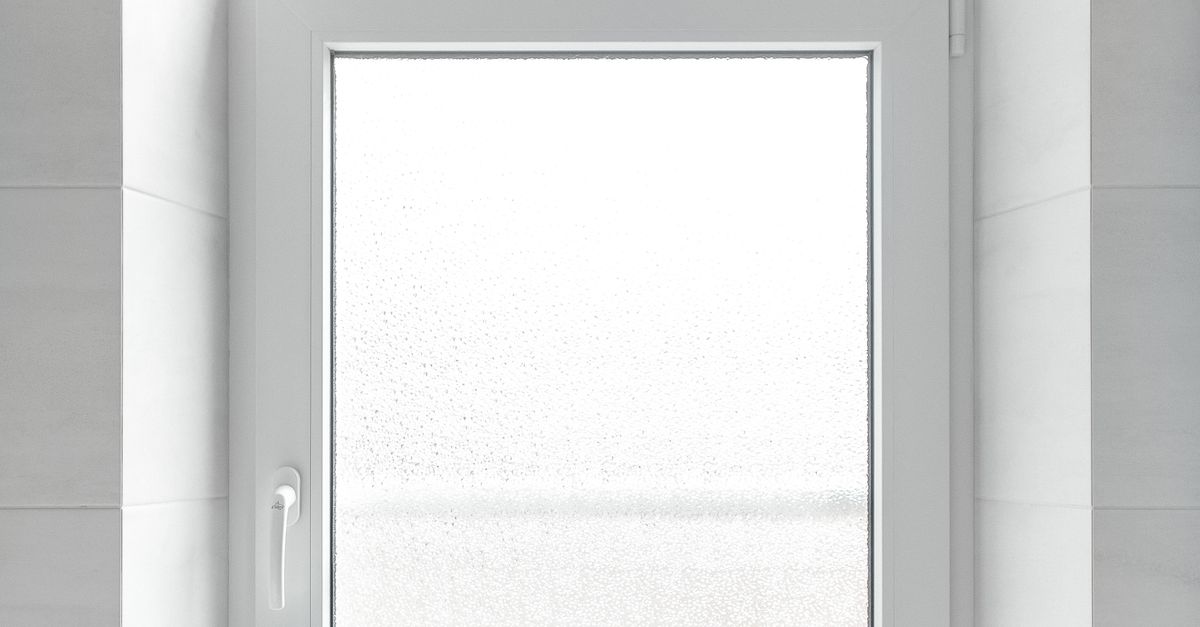
Quick Checklist for Assessing the Integrity of Double Glazing
Table Of Contents
Inspecting the Spacer Bar
The spacer bar plays a crucial role in maintaining the structural integrity of double glazing units. It separates the glass panes and creates the airspace necessary for effective insulation. Over time, spacer bars may corrode or become damaged, compromising the seals of the double glazing. A thorough inspection of these components will help ensure that they remain intact and functional. Look for signs of wear or deterioration, which may indicate a need for replacement.
A properly maintained spacer bar will contribute to the overall energy efficiency of your windows. If the spacer is made from aluminium, check for signs of condensation or moisture infiltration, which can lead to thermal bridging. Stainless steel or warm-edge spacer bars are better choices as they offer enhanced insulation properties. Evaluating the material and condition of the spacer bar is essential in assessing the overall performance of your double glazing system.
Role of Spacer Bars in Insulation
Spacer bars are essential components in double glazing systems, as they create a hermetic seal between the panes of glass. Their primary function is to maintain a consistent gap, which is crucial for the thermal efficiency of windows. A well-designed spacer bar not only keeps the panes in position but also minimises heat transfer from inside to outside. This structural integrity results in better insulation, leading to lower energy costs for homeowners.
Different materials are used for spacer bars, each with varying insulation properties. A common choice is aluminium, but with lower thermal performance, it can lead to potential heat loss. In contrast, materials like warm edge spacers, made from composites or plastic, provide superior thermal barriers. Understanding the role of spacer bars helps in selecting the right double glazing system, ensuring optimal energy efficiency and comfort within the home.
Moisture and Condensation Examination
Moisture and condensation are critical indicators of the integrity of double glazing. Inspect the edges of the window for signs of water infiltration or pooling around the frames. Internal condensation can signal that the seal has failed. When moisture becomes trapped inside the panes, it can damage insulation properties and lead to mould growth.
Check for any fogging between the glass layers, which points to a breakdown in the seal. If you notice irregularities in visibility or persistent moisture, it suggests that the double glazing is no longer effective. Addressing these issues promptly can help prevent further damage and maintain a comfortable living environment.
What to Look for Inside the Panes
When inspecting double glazing units, a thorough examination of the internal space between the panes is essential. Check for signs of moisture or condensation, which can indicate a failure in the seal. If you notice spots or streaks, these can point to trapped moisture, affecting overall efficiency. Look for any foreign particles or debris that may have entered the sealed unit, as this could compromise the clarity and effectiveness of the glazing.
In addition to visual checks, consider the air flow when assessing the internal condition of the panes. Any unusual sounds or air movement may signal that the seals are no longer effective. It is essential to ensure that the unit maintains an airtight barrier. Assessing the cellular structure around the spacer bars can reveal whether the insulation has been impacted, which can significantly affect thermal performance.
Energy Efficiency Rating
Energy efficiency ratings provide essential insight into the performance of double glazing. These ratings are typically represented by a scale that indicates how well windows retain heat, with higher ratings reflecting better insulation capability. Understanding this rating system is crucial for homeowners seeking to reduce energy costs and enhance comfort within their living spaces.
Different energy rating systems may be used in various regions, including the Australian Window Energy Rating Scheme (AWERS). This scheme evaluates factors such as solar heat gain and thermal performance. Homeowners should carefully consider these ratings when selecting double-glazed windows, as they significantly influence overall energy efficiency and potential savings on utility bills over time.
Understanding Energy Ratings for Windows
Energy ratings for windows are essential when determining the overall efficiency of a double-glazed unit. The ratings are usually represented through the Window Energy Rating Scheme (WERS) in Australia. This scheme provides a clear method for assessing the thermal performance of windows. Factors of consideration include the type of glazing, frame materials, and the spacer bars used. Ratings typically range from A to E, with higher letters indicating better performance and insulation capabilities.
In addition to thermal performance, windows are also evaluated based on their solar heat gain and daylight performance. A window that allows ample natural light while blocking excess heat can significantly contribute to energy savings. When assessing windows, it is crucial to check the WERS label, which shows the energy efficiency rating, ensuring that the chosen product aligns with individual needs and environmental considerations. Making informed choices based on these ratings can lead to a more energy-efficient home and lower utility bills in the long run.
FAQS
What is the purpose of the spacer bar in double glazing?
The spacer bar plays a crucial role in maintaining the separation between the two panes of glass, helping to create an insulating air gap that enhances energy efficiency and reduces condensation.
How can I check for moisture and condensation in my double glazing?
You can check for moisture and condensation by looking for water droplets or fogging between the panes of glass. If you notice any signs of moisture, it may indicate a failure in the seal.
What should I look for inside the panes during my inspection?
During your inspection, look for any signs of condensation, cloudiness, or discolouration inside the panes, as these are indicators of a compromised seal or insufficient insulation.
How is the energy efficiency of double glazing rated?
The energy efficiency of double glazing is typically rated using a system that considers factors such as thermal performance, solar gain, and air leakage, often expressed through an energy rating label.
Why is it important to assess the integrity of my double glazing?
Assessing the integrity of double glazing is important to ensure optimal thermal performance, energy efficiency, and to prevent issues like condensation and moisture buildup, which can lead to further damage and increased energy costs.
Related Links
How to Spot Air Leakage in Double Glazed WindowsTools You Need to Inspect Double Glazed Windows Effectively
The Role of Temperature Changes in Double Glazing Damage
Detecting Moisture Intrusion in Double Glazed Seals
Evaluating the Condition of Your Double Glazing Systems